

Sell Your Horsebox Quickly and for the Best Price
The best time to sell your horsebox is during spring and summer, especially when peak demand is in late April and early May. Your timing as a seller could impact your final price significantly.
Selling a horsebox comes with its own set of challenges. Prices rise and fall based on seasonal buyers. Your well-kept horsebox can fetch premium prices during peak seasons. The market shifts when sellers outnumber buyers, and prices drop.
The market is more complex. Strict rules about payload limits and tyre age restrictions affect sales, and different design specifications also play a vital role in pricing. The Department for Transport’s 2020 legislation on tyre age has changed how buyers assess their purchases.
This piece will help you direct through these challenges to sell your horsebox fast at the best price. Let’s begin your sales journey.
Sell Your Horsebox →
Understanding the Horsebox Market
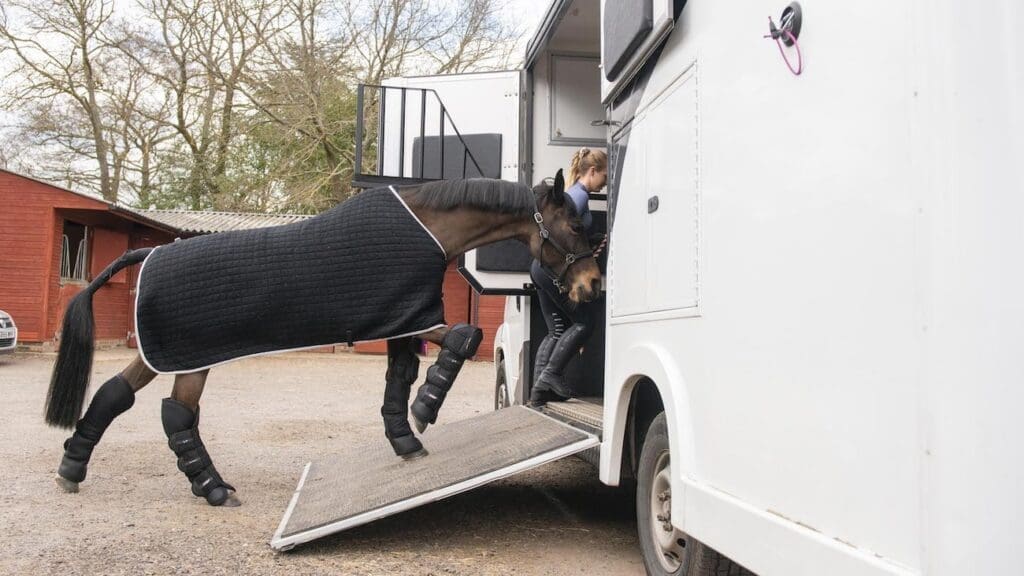
Horse box sellers who know their market can tap into the potential of seasonal buying patterns. Google search data shows people look for horseboxes most in May, with interest dropping off by late August. This pattern matches the competition season when owners need reliable transport to take their horses to events and shows.
The market feels the effects of broader economic changes. Horse owners now spend more on basics like hay and fuel, which makes them pickier about their horsebox purchases. The UK horsebox manufacturing industry still managed to grow by 6.1% this year, even with these financial pressures.
The market tells an interesting story. No business grew beyond 10%, and 22 companies saw lower sales than last year. Seven manufacturers lost money for the second year running, which pushed down profit margins across the industry.
Company values in this sector show big swings. Eight companies lost over 25% of their value this year, while 22 others gained value. The average value went up by more than 9%, which shows some parts of the market are holding strong.
The way a horsebox is built makes a big difference in its price. Coach-built horseboxes, custom-designed for a specific chassis, cost more than modernised commercial vehicles. Luxury features like showers, toilets, heating systems, and leather seats can boost a horsebox’s value.
Safety remains a key concern. The Equipment Register found that 11% of horseboxes listed online were either stolen or had altered identity plates. Buyers now make sure to check paperwork and ownership history thoroughly.
Sellers who understand these market forces can price their vehicles right and find the best way to sell them in today’s market conditions.
Maximising Your Horsebox’s Value
The right preparation of your horsebox before selling can boost its market value and speed up the sale. Late April and early May are vital months to list your horsebox. Buyers get serious about their purchases during this time as they prep for upcoming competitions. The market works in your favour because buyers outnumber sellers, which helps well-kept horseboxes fetch better prices.
Professional valeting services should be your first investment. Your horsebox’s value depends on how clean you keep both living and horse areas. A thorough steam cleaning of the horse area, fresh partitions, stock boards, and a clean exterior will catch any buyer’s eye.
Smart upgrades can bring great returns on your investment instead of selling at a lower price due to poor condition. Here’s what you can upgrade:
- Floors and roofs
- Electrical and plumbing systems
- Paintwork and livery
- Windows and grills
- Ramps and hinges
Your horsebox’s ramp needs extra attention. The hinges and spring mounting points often cause problems in used horseboxes and cost a lot to repair.
Paperwork plays a big role in getting top value. Keep your insurance, road tax, and MOT certification current. A recent weighbridge certificate helps a lot, especially now when payload has become a big concern for buyers. Many buyers won’t even look at horseboxes without proper documentation.
Quality photos can make a huge difference in attracting buyers. Professional digital SLR images bring more inquiries and might lead to higher offers.
A warranty could help seal the deal. Buyers feel more confident when they have this safety net. Put everything in an official contract that clearly states what’s covered. This often lets you ask for a better price.
Price your horsebox realistically. Look at your upgrade costs and research similar horseboxes in the market to stay competitive.
Closing the Deal Successfully
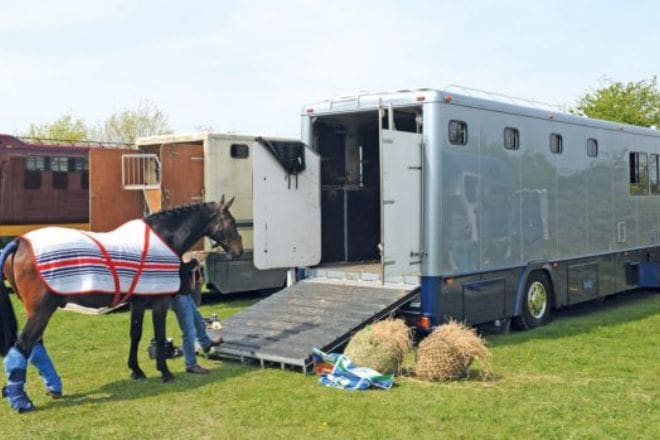
The final agreement in a horsebox sale needs careful attention to legal and financial details. Buyers’ attention is drawn to your listing, and the negotiation phase starts. Stay professional yet firm on your price. Never show desperation to sell as it weakens your position.
Negotiation techniques that work include:
- Know your BATNA (Best Alternative To Negotiated Agreement) before talks begin
- Stay patient during negotiations – the most patient party often gets better terms
- Research potential buyers to understand their needs better
- Use body language that shows confidence and attentiveness
Your payment security is vital since thieves steal 95% of horse trailers from places away from owners’ homes. Meet at a neutral location instead of your home or yard to improve personal security during viewings.
Bank transfers are the safest among payment methods. Of course, avoid cheques or cash for high-value deals because counterfeit money and bouncing cheques create major risks. Let the payment clear your account fully before you hand over the horsebox.
A smooth sale needs proper documentation. Give the buyer:
- Current MOT certification
- V5C registration document
- Service history records
- Recent weighbridge certificate
- Written receipt or sales agreement
You might want to use a brokerage service if direct sales make you uneasy. This option costs commission but keeps strangers away from your property, saves time on viewings, and screens out timewasters.
Note that business sellers must follow The Consumer Rights Act 2015. The law requires horseboxes to be of good quality, fit for purpose, and match their description. Private sellers need accurate, honest descriptions too. High-value horseboxes benefit from written sales agreements that spell out terms and conditions to avoid future disputes.
Conclusion
Smart planning and attention to detail make all the difference when you sell your horsebox. The right timing matters a lot, with prices going up during peak seasons.
The market conditions help you set the right price and expectations. Of course, good preparation pays off – from professional cleaning to strategic upgrades that make your horsebox more attractive.
Your paperwork needs to be as spotless as the presentation. You’ll want to avoid any issues by keeping all documents up to date and handy. Buyers now just need to see MOT certificates, service records, and weighbridge certificates.
Safety comes first during the sale. You should meet potential buyers in neutral spots, stick to secure payments, and keep communication clear to protect both sides. Written sales agreements offer extra protection and stop disputes before they start.
The best horsebox sales need proper prep work, good timing, and close attention to legal details. These steps will help you sell quickly at the right price and make the whole process smooth for everyone.
FAQs
Q1. When is the best time to sell a horsebox? The best time to sell a horsebox is typically during spring and early summer, particularly in late April and early May. This coincides with the start of the competition season when demand for horseboxes is at its peak.
Q2. How can I increase the value of my horsebox before selling? To increase your horsebox’s value, invest in professional valeting, make strategic refurbishments such as repairing floors and roofs, fixing electrical issues, and renewing paintwork. Also, ensure all documentation is up-to-date, including MOT certification and a recent weighbridge certificate.
Q3. What documentation do I need when selling my horsebox? When selling your horsebox, you should provide the buyer with current MOT certification, V5C registration document, service history records, a recent weighbridge certificate, and a written receipt or sales agreement.
Q4. Are there any security concerns when selling a horsebox? Yes, there are security concerns when selling a horsebox. It’s advisable to meet potential buyers at a neutral location rather than your home or yard. Also, only accept secure payment methods like bank transfers and ensure the payment has cleared before releasing the horsebox.
Q5. Do I need a special licence to drive a horsebox? The licence requirements depend on the weight of the horsebox. For a horsebox over 3,500kg gross plated weight, you need an Operator’s Licence. For a rigid, laden horsebox of 3.5 tonnes or less, a category B + E car and trailer licence is sufficient.
How to Find Free Horse Listing Websites in the UK

Thinking of Taking on an Ex-Racehorse?

Best Horse Name Generator – Funny, Regal & Unique Horse Names

How to Buy Your First Horse: Essential Questions Every Buyer Must Ask

Critical Signs of Laminitis in Horses: What Every Owner Must Know Today

Why Buying and Selling Through Sell Your Horse is Safer and Easier

Top Mistakes When Selling a Horse or Horsebox

How to Treat Sweet Itch in Horses Naturally: Homemade & Homeopathic Remedies

Mud Fever in Horses (Pastern Dermatitis) – Complete Guide

The Miniature Horse: More Than Just a Smaller Horse!


Welcome to Sell Your Horse, a platform dedicated to connecting equestrians with each other, making horse buying and selling easier and more transparent. With a focus on technology and community-building. My mission is to help like-minded equestrians find the right connections, share knowledge, and build a trusted equine network.
 Featured Listings
 Adverts
 Horses For Sale
 Tack & Equipment
 Horseboxes & Trailers
 Equine Properties
 4x4 Vehicles
 Horses For Loan
 Horses Wanted
 Stallions at Stud
 Equine Services
 Riding Holidays